Playing Career
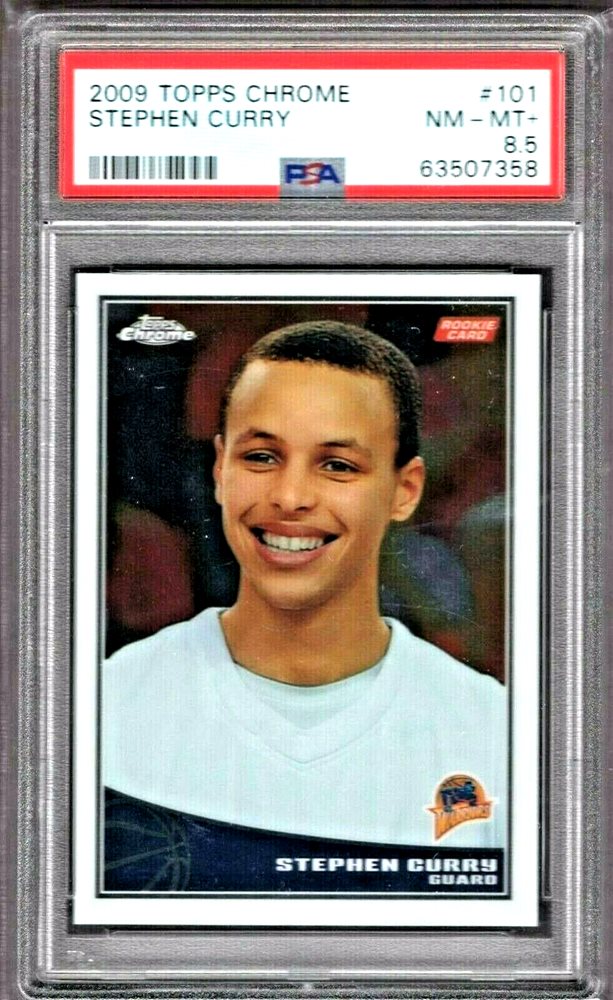
A measure of what the player actually did: championships, awards, longevity, dominance, records, and overall legacy.
Methodology
One consistent framework for comparing cards through legacy, significance, rarity, and collector demand.
The four inputs
Every score is built from the same four collector questions.
A measure of what the player actually did: championships, awards, longevity, dominance, records, and overall legacy.
How important the specific card is to collectors. Set importance, iconic status, rookie-card standing, and "this is the card" behavior all matter.
A population-based score. Lower graded populations generally earn stronger rarity marks, especially when demand is also present.
How easy the player is to collect and talk about: likability, market size, team identity, cultural reach, and controversy risk.
Why it exists
TheHobbyScore.com puts a player's important cards and the research behind them in one place. When one player has several meaningful cards, collectors need a consistent way to compare them.
The score explains why one card can matter more than another. It is a shared collector lens, not a prediction of future prices.
Rarity has to be visible
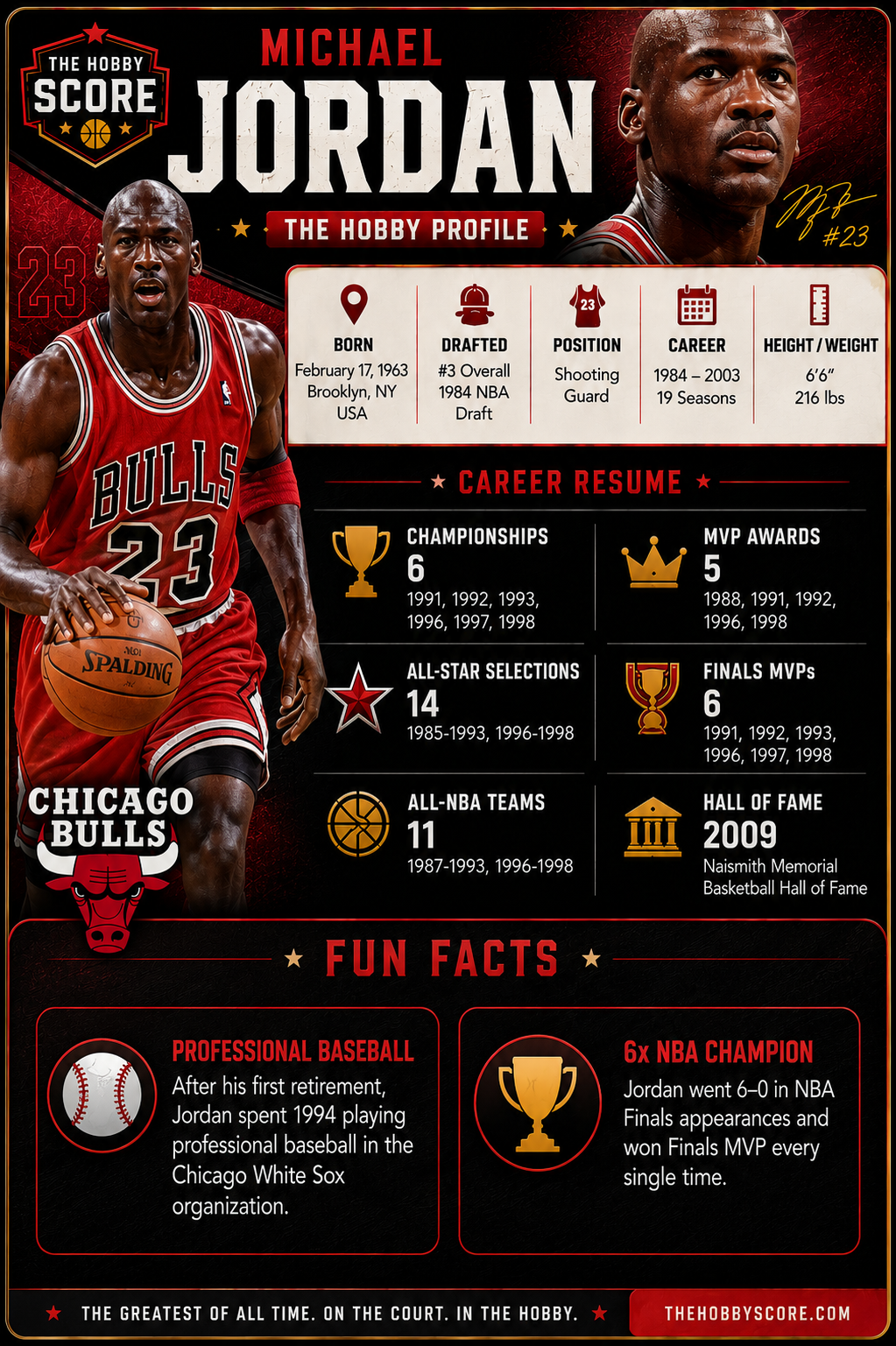
A great player is only one part of the story. The score also asks how many graded examples exist, how tough high grades are, and whether the population supports the card's reputation.
What the pages show
The score is the shortcut. The card page is where the reasoning lives.
Each card includes graded population numbers so scarcity is visible before you leave the page.
Price-history sections show how PSA 10 and PSA 9 examples have moved when data is available.
GemRate and Card Ladder links help collectors verify population and pricing context.
Voting lets collectors say whether the card feels overrated, underrated, iconic, fairly scored, or a must-own.
What it is and is not
A consistent framework for comparing cards across players, sports, eras, sets, and populations.
A guarantee of future value, a perfect price predictor, or a replacement for doing your own research.
See it in the wild
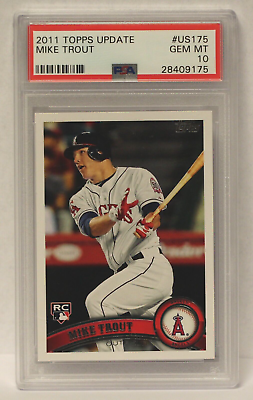
Use the Top 100 and collection hubs to compare scores, read the card stories, and see how population data shapes the final view.
Prices and population data are for reference only and may change. Last updated: January 2026.